When your home’s heat suddenly stops, start boiler troubleshooting right away by checking the thermostat, power supply, and water pressure. If the unit won’t restart or leaks appear, call for emergency boiler repair. Acting quickly prevents further damage and helps restore heat safely until you get professional boiler repair.
A broken boiler in the middle of a Utah winter ranks among the worst home emergencies, turning your comfortable space into a freezing hazard overnight. Beyond lost heat, it risks burst pipes and costly water damage if ignored. In our unpredictable cold snaps, knowing what to do before emergency boiler repair help arrives makes all the difference.
In this guide from Professional Plumbing Systems, we’ll walk you through essential boiler troubleshooting tips, temporary heating solutions, and when to request emergency boiler repair. Whether your unit stops producing heat, leaks, or makes loud noises, these steps will help you stay warm while protecting your home and plumbing system.
What causes boiler breakdowns?
Boilers are complex heating systems with multiple interconnected parts — fuel valves, sensors, pumps, and thermostats — that must all function together. When one fails, the system shuts down suddenly. For expert diagnosis and fixes on these issues, explore our boiler repair services.
Common causes for boiler failure include:
- Low or inconsistent water pressure
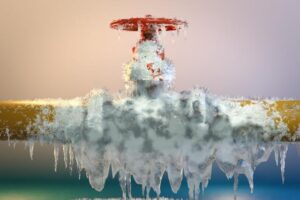
- Frozen condensate pipes during Utah’s cold spells
- Faulty thermostats or ignition switches
- Air trapped in the system
- Sediment buildup inside the heat exchanger
Step-by-step boiler troubleshooting guide
Before calling for emergency boiler repair, try these basic homeowner-safe steps. If the unit doesn’t respond, or if you smell gas or see leaks, turn it off immediately and get professional help.
1. Check the thermostat
Make sure it’s on “Heat” mode and set to a temperature above the current room temperature. Dead batteries or incorrect settings mimic bigger issues.
2. Confirm the power supply
Inspect your circuit breaker and switch near the boiler. A tripped circuit or power outage often interrupts operation.
3. Inspect water pressure
Most boilers require a pressure reading between 1 and 2 bars. Low pressure often signals a leak or that you recently bled the radiators. Repressurize carefully as instructed in your manual.
4. Look at the pilot light or ignition display
If the pilot flame is out or the ignition code flashes, follow the manufacturer’s reset procedure. Never attempt to light gas manually if you suspect a fuel issue.
5. Examine visible pipes for ice or blockages
During Salt Lake’s deep freezes, condensate lines freeze, leading to shutdowns. Pour warm (not boiling) water over external lines to melt blockage.
6. Listen for unusual noises
Banging or gurgling indicates trapped air, pump failure, or limescale buildup — all of which require repair to prevent damage.
7. Restart the system
After these checks, reset your boiler and wait several minutes. If the problem persists or heating remains uneven, you’ll need professional boiler troubleshooting
An example scenario
During a brutal -5°F cold front sweeping through Draper last January, Sarah, a busy mother of three, woke up to icy bedrooms and no hot water — her boiler had completely shut down overnight.
After she quickly checked the thermostat (set to 68°F) and confirmed the unit showed no power display or error codes, she traced the problem to her outdoor condensate pipe, which the deep freeze had encased in thick ice.
Sarah applied a hairdryer and warm towels for over 20 minutes to gently thaw the frozen line, restoring partial boiler operation and preventing a total system lockout. Water pressure returned to 1.5 bars, and radiators began warming within the hour — enough heat to keep her family comfortable until help arrived.
Professional Plumbing Systems dispatched a technician for emergency boiler repair the same afternoon. The full inspection revealed the frozen condensate issue and early sediment buildup in the heat exchanger, common in Utah Valley’s hard water.
Our team repaired the boiler, thoroughly flushed the system, replaced a worn circulation pump seal, and permanently rerouted the condensate drain indoors through an insulated wall penetration. Sarah’s boiler now runs at peak efficiency with no repeat freeze issues, even during subsequent subzero nights.
Why speed matters during boiler failure
A sudden heating loss in the middle of Utah’s brutal winter quickly threatens your home, health, and wallet. When your boiler fails, indoor temperatures plummet to dangerous levels within hours, especially in high-elevation areas like Park City or Logan, where nights regularly dip below freezing.
Here’s why speed matters:
- Prevents frozen plumbing and burst pipes: Without circulating hot water, supply lines in unheated spaces freeze solid, leading to floods and thousands in water damage.
- Reduces the risk of total boiler failure: Quick resets or pressure checks resolve simple issues before internal components overheat or crack.
- Identifies minor issues before they become emergencies: Spotting low pressure or a flickering pilot light early avoids carbon monoxide risks and costly part replacements.
- Restores household safety and comfort faster: Families with young children, elderly members, or pets can’t afford prolonged exposure to cold, which heightens the risk of hypothermia and respiratory illness.
- Cuts down the need for repeat visits: Addressing problems promptly — before calling for emergency boiler repair — extends system life and maintains efficiency.
Even a few hours of heat loss drops indoor temperatures to unsafe lows (below 50°F), stressing your entire home and forcing you to overuse secondary heaters, which spike energy bills. Fast boiler troubleshooting protects your family and safeguards pipes, walls, and floors from the freeze-related catastrophes common across the Wasatch Front.
Common mistakes to avoid
Homeowners attempting to troubleshoot their boilers during a heating crisis often make well-intentioned errors that turn small problems into major emergency boiler repair situations.
These missteps damage components, create safety hazards, or delay professional repair. Here’s what to watch out for:
Ignoring warning lights or unusual noises
Banging, gurgling, or whistling sounds signal airlocks, pump strain, or limescale buildup inside the heat exchanger. Dismissing these early warnings allows faults to worsen, leading to complete shutdowns that demand emergency boiler repair.
Overlooking water pressure changes
Boilers typically operate between 1-2 bars; letting pressure drop too low stresses the circulating pump and risks cracking the heat exchanger. A simple gauge check during routine boiler troubleshooting prevents these cascading failures — repressurize carefully per your model’s instructions.
Using DIY fixes on gas systems
Adjusting gas valves, relighting pilot lights, or tampering with ignition controls without certification causes gas leaks, explosions, or carbon monoxide poisoning. Only licensed professionals should handle fuel-related repair — stick to safe electrical and pressure checks
Skipping annual maintenance
Without yearly inspections to flush sediment, test safety valves, and clean burners, boilers lose efficiency and face higher odds of winter breakdowns. Proactive servicing catches wear before it triggers emergency boiler repair calls during peak cold snaps.
Delaying emergency calls
Waiting through a holiday weekend or “hoping it fixes itself” lets issues like frozen condensate lines escalate to leaks or total failure. Contact emergency boiler repair services immediately if basic troubleshooting fails — most pros arrive within hours to minimize downtime.
Recommended tools and products
Having the right tools on hand helps stabilize your boiler system while waiting for a technician:
- Digital thermostat with backup batteries
- Pressure gauge (built-in or handheld)
- Insulated condensate drain cover
- Radiator bleed key
- Smart temperature sensors for cold-weather alerts
- Portable space heater
- Carbon monoxide detector for system safety
Pro tip: Keep a maintenance kit nearby; simple tools make it easier to manage small issues and spot warning signs early.
FAQ
Q: Why do boilers suddenly stop working in winter?
Sudden shutdowns often result from frozen pipes, electrical faults, or low water pressure. In many Utah homes, external condensate lines freeze first, stopping ignition. Quick boiler troubleshooting and insulation prevent repeat issues.
Q: Can I perform emergency boiler repair myself?
You check power, thermostats, and pressure safely, but only professionals should handle gas or wiring repairs. Attempting DIY repairs voids warranties and compromises safety.
Q: How long does a boiler repair usually take?
Minor issues like ignition resets or blocked drains may take under an hour, while part replacements may take several hours or require a follow-up visit.
Q: How do I tell if I need a replacement instead of a repair?
If your unit is older than 15 years, requires repeated boiler troubleshooting, or shows rust and leaks, replacement may be more cost-effective than constant repair calls.
Q: How do I keep my boiler running efficiently?
Schedule annual inspections, flush sediment buildup, check water pressure monthly, and monitor for noise. Proper maintenance keeps efficiency high and reduces the need for major boiler repairs.
Contact Professional Plumbing Systems today
Don’t risk another freezing morning or costly breakdown. Professional Plumbing Systems delivers fast emergency boiler repair, thorough boiler troubleshooting, and comprehensive boiler repair services designed specifically for Utah’s harsh winters.
Our experienced, licensed technicians understand local heating challenges — from high-altitude freezes in Park City to hard-water buildup in Utah Valley.
Whether you need immediate crisis response, seasonal maintenance, or system upgrades for better efficiency, we’ll restore reliable warmth to your home quickly and safely.
Visit our website or call us at 385.399.8102 to schedule service. Choose Utah’s most trusted boiler experts to keep your family comfortable all season long.