To fix frozen plumbing pipes before a plumber arrives, start by turning off your water supply and gently warming the affected area using a hair dryer, space heater, or warm towels. Open nearby faucets to relieve pressure and never use open flames. These quick actions prevent costly pipe bursts while you wait for professional plumbing services.
Why frozen pipes can’t wait
Utah’s freezing winters turn ordinary plumbing problems into full-blown emergencies overnight. When temperatures plunge, frozen plumbing pipes block water flow and burst, flooding your home within minutes. Acting fast makes all the difference.
In this homeowner’s guide, you’ll learn how to fix frozen pipes safely, when to call licensed plumbers, and which 24/7 plumbing services keep your home protected in subzero weather.
What causes frozen pipes?
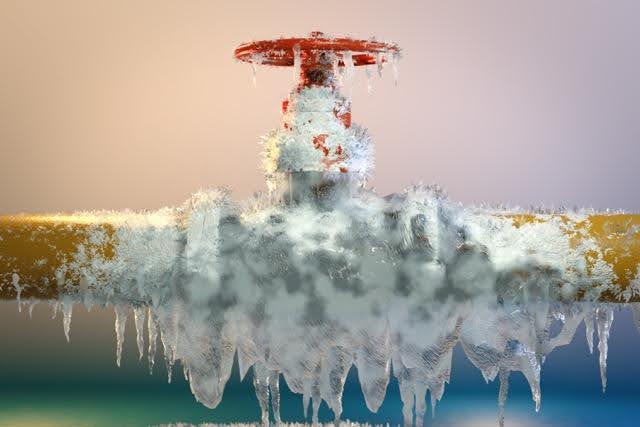
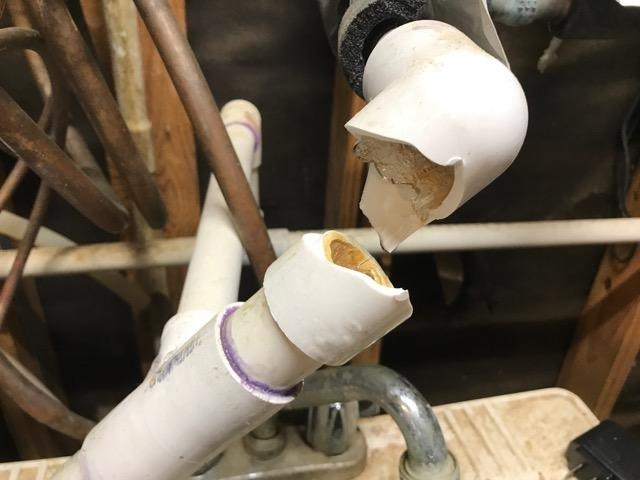
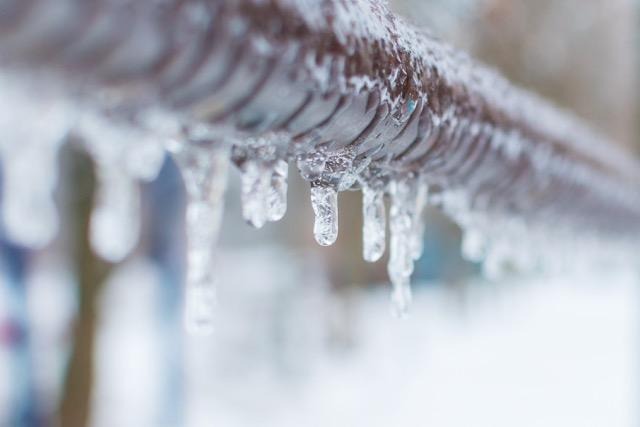
When outdoor temperatures drop below 20°F, water in pipes freeze, especially in unheated garages, crawl spaces, or exterior walls. As ice forms, it expands and blocks water flow, building extreme pressure that could cause pipes to burst. Acting quickly when you suspect frozen plumbing pipes helps you avoid structural damage and expensive plumbing repairs.
Step-by-step: how to safely fix frozen pipes
- Turn off the water supply
Locate your main shut-off valve and close it to prevent flooding if a pipe bursts during thawing. - Locate the frozen section
Run every faucet. If only one shows reduced flow, the frozen section is near that line. Feel for cold spots or frost on exposed pipes. - Open nearby faucets
This releases pressure inside the system as the ice melts, reducing the risk of cracks. - Gently warm the pipe
Use a hair dryer, heating pad, or portable space heater. Move heat back and forth slowly, and keep the area ventilated. Never use a torch or open flame. - Apply warm towels
For tight spaces, soak towels in hot water, wring them out, and wrap them around the pipe to conduct gentle heat. - Monitor for leaks
If water starts dripping or spraying as the ice melts, shut off the water again and call licensed plumbers immediately. - Restore water flow
Once the pipe is fully thawed and shows no damage, open the shut-off valve slowly and check for steady water pressure.
These quick fixes minimize water damage while waiting for professional plumbing services.
Real-life scenarios
A homeowner in Provo noticed no water flow on a 10°F morning. After opening nearby cabinet doors and using a low-setting space heater along the exterior wall, water gradually returned without bursting the pipe. A later inspection by licensed plumbers found minor frost but no structural damage, saving them thousands in repairs.
Homes in northern Utah tend to freeze fastest due to prolonged low temperatures, while southern Utah residents with older plumbing may face partial freezes during sudden cold fronts. Both situations call for quick, educated action before calling for 24/7 plumbing repairs.
Why quick action matters
Taking immediate steps to address frozen pipes protects your entire home from catastrophic damage. The benefits of acting fast include:
- Preventing burst pipes and water flooding
- Reducing emergency plumbing repair costs
- Keeping essential systems (like water heaters and toilets) running
- Preventing mold and wall damage from hidden leaks
- Buying crucial time until professional plumbing services arrive
Mistakes to avoid
Even a well-intentioned homeowner makes these common mistakes during a freeze:
- Using open flames or blowtorches causes fires and warps PVC pipes.
- Forgetting to open faucets allows pressure to build up, which often leads to burst pipes during thawing.
- Thawing only part of the pipe leaves ice trapped in other sections, increasing pressure further downstream.
- Ignoring small leaks is dangerous, as what seems minor may actually be a hairline crack ready to rupture.
- Not turning off the main water valve quickly turns a slow leak into a major flood.
Data and statistics
- Utah faces a higher risk of freeze-related pipe bursts than other warmer states
- Many homeowners don’t know where to find their main water shut-off valve
- 20°F is the threshold temperature where supply pipes start to freeze
- Burst pipe water damage cleanup costs homeowners thousands
- If you discover frozen pipes, call a 24/7 plumber as soon as possible, ideally in less than one hour
Recommended tools and products
Keep these winter-ready items on hand for quick and safe pipe protection:
- Hair dryer or portable space heater
- Pipe insulation sleeves or heating tape
- Shut-off valve wrench
- Thermal leak detection sensor
- Thick towels for wrapping exposed pipes
- Contact info for a 24/7 plumbing provider nearby
Pro tip
Invest in modern smart leak detectors — many Utah homeowners pair them with their main water line for early freeze warnings.
FAQs
Q: How do I know if my pipes are frozen?
You’ll know your pipes are frozen if you notice slow or no water flow from faucets, visible frost or condensation on exposed lines, or unusual clanking or gurgling sounds inside your walls. You might also smell faint odors coming from drains if ice is blocking ventilation lines.
Q: Can I fix frozen plumbing pipes myself?
In some cases, yes — but only if the freeze is mild and the pipes are easy to reach. You can safely thaw sections using a hair dryer, heating pad, or warm towels. Avoid using open flames or power tools that overheat metal or PVC. If a pipe sits behind a wall, shows cracks, or has already burst, contact a professional plumbing service right away for safe, lasting repairs.
Q: Should I turn off the water to the whole house?
If you suspect more than one frozen area or notice leaks as pipes begin to thaw, turning off your home’s main water valve is strongly recommended. This step prevents pressure buildup and flooding while you wait for 24/7 plumbing assistance. Knowing the exact location of your shut-off valve before an emergency helps you act faster and limit damage.
Q: What’s the safest way to thaw a pipe?
Start by opening nearby faucets to relieve internal pressure. Then apply gentle heat with a hair dryer, space heater, or warm towels, starting near the faucet end and working back toward the frozen area.
Keep heating devices away from standing water and never use open flames or boiling water, as both can damage pipes and fittings. Consistent, gradual warmth is the safest approach until licensed plumbers can inspect your system.
Q: How do I prevent freezing next time?
Preventing frozen plumbing pipes starts with insulation. Wrap exposed pipes in basements, garages, and crawl spaces with pipe insulation or winter wrap. Seal gaps around windows and walls where cold air enters, keep home temperatures above 55°F — even when away — and open cabinet doors to let warm air reach the plumbing under sinks.
For long-term peace of mind, consider installing smart temperature sensors or scheduling a winterization visit before the coldest months hit Utah.
Frozen pipes in Utah
Utah’s winter conditions test even modern plumbing systems. Logan and Park City experience sub-zero weeks where unprotected exterior pipes freeze faster than interior lines. Meanwhile, homes in Utah Valley and Salt Lake adjust to wide temperature swings that can refreeze partially thawed sections.
Partnering with Utah-based licensed plumbers ensures your home’s plumbing receives the right seasonal protection and emergency response when minutes matter most.
Call Professional Plumbing Systems for 24/7 plumbing services
Quick, calm action is the key to stopping frozen plumbing pipes from turning into flood disasters. With these steps, you can protect your home until a professional arrives and prevent it from happening again.
Need professional help fast? Contact Professional Plumbing Systems for reliable 24/7 plumbing services. Our licensed plumbers are ready to restore your water flow and safeguard your home this winter.