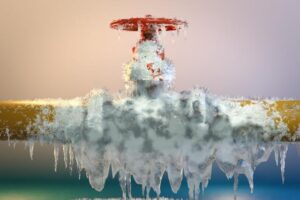
Protecting pipes from freezing means using insulation, winter pipe wrap, and temperature control to keep water lines above freezing, especially in unheated areas. Simple steps, such as sealing drafts, opening cabinet doors, and letting faucets drip during cold snaps, greatly reduce the risk of burst pipes and expensive plumbing repairs.
Protect your Utah home from frozen pipes
Utah’s winter temperatures drop fast, turning unprotected pipes into expensive plumbing pipe repairs overnight. A single burst line can flood your home, damage walls and floors, and lead to steep repairs that were completely avoidable.
This guide provides practical, homeowner-friendly methods for protecting pipes from freezing, including instructions on using winter pipe wrap, identifying high-risk areas, and knowing when to call a professional plumber.
Whether you live in an older home in Utah County or a new build, these strategies will help keep your plumbing system safe and ready for every cold snap.
What does it mean to protect pipes from freezing?
To protect pipes from freezing, it means taking preventive steps so water inside your plumbing never reaches freezing temperatures, even when outdoor conditions are well below 32°F.
This typically includes insulation, winter pipe wrap, sealing air leaks, and maintaining consistent indoor heat. When pipes freeze, expanding ice may crack or burst lines, causing sudden leaks and water damage. Preventive protection is far cheaper and easier than emergency plumbing pipe repairs after a major freeze.
Expert insight: With average water-damage claimsfrom frozen or burst pipes often ranging from $12,000 to over $20,000, a few hundred dollars spent on pipe insulation and winterization typically represents well under 10% of the cost of one major burst-pipe incident.
Step-by-step guide to protect your pipes
1. Identify high-risk pipes
Focus on lines in unheated areas, such as basements, crawlspaces, garages, exterior walls, and under sinks along outside walls.
2. Seal drafts and air leaks
Use caulk or foam around holes where pipes enter walls, floors, and foundations to seal them effectively.
3. Install winter pipe wrap or insulation
Cover exposed pipes with foam sleeves or winter pipe wrap near exterior walls and in unheated spaces. Secure the wrap snugly with tape or zip ties so there are no gaps.
4. Keep indoor heat consistent
Avoid turning the thermostat down too low at night or when you’re away. Maintaining a steady temperature in your home helps protect the hidden pipes inside walls and ceilings.
5. Open cabinets during cold snaps
On exterior walls, open bathroom and kitchen cabinets to allow warm indoor air to circulate around pipes.
6. Let faucets drip in extreme cold
When temperatures plunge, slightly open faucets on vulnerable lines to allow a slow drip. Moving water is much less likely to freeze and provides pressure relief if ice forms.
7. Disconnect and drain outdoor hoses
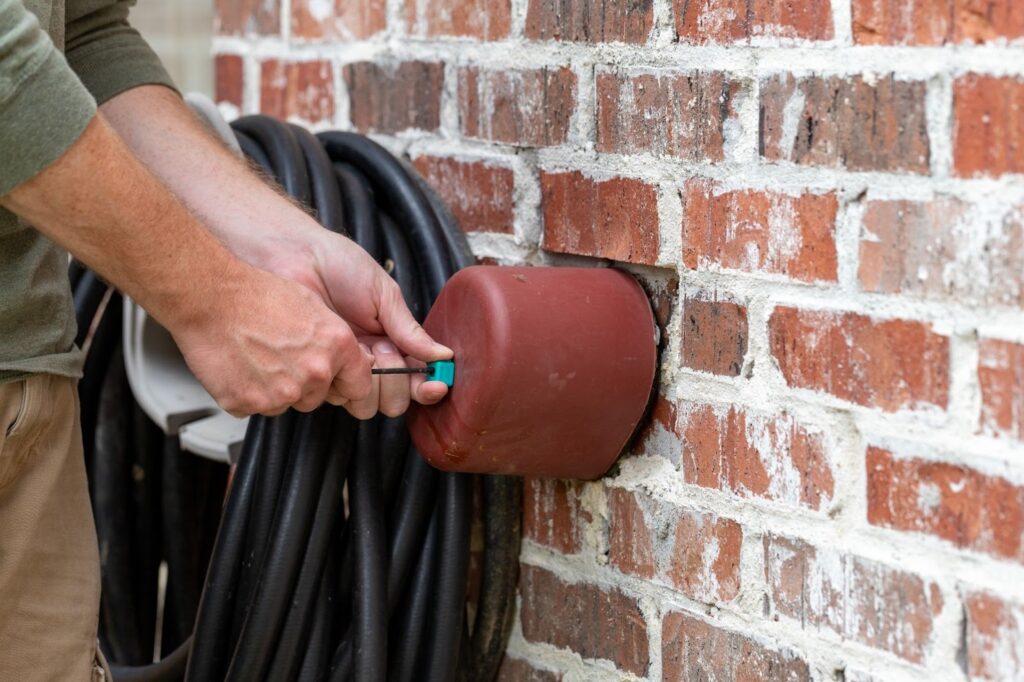
Remove garden hoses, shut off exterior hose bibs if possible, and drain any remaining water.
8. Know when to call a plumber
If you suspect a frozen line, you lose water pressure in one area, or see water stains on walls or ceilings, contact a local professional plumber promptly for safe thawing and repairs.
Real-life winter pipe scenarios in Utah
Real-life winter pipe scenarios in Utah often follow a few predictable patterns. The examples below are common scenarios plumbers and restoration companies regularly see during cold snaps.
Basement pipe near the foundation wall
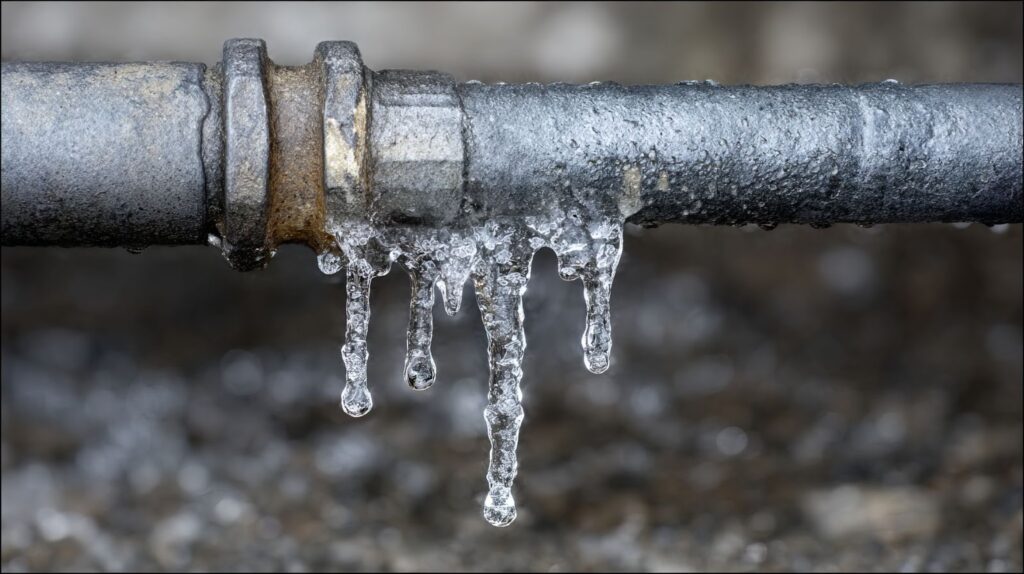
One common scenario involves uninsulated copper lines running along a cold basement foundation wall. During a cold snap, the pipe freezes and splits overnight, flooding stored belongings and soaking the flooring.
Kitchen sink on an exterior wall
Another frequent situation is a kitchen sink installed on an exterior wall with minimal insulation. If cabinet doors stay closed and the thermostat is turned down at night to save on heating costs, the supply line behind the cabinet freezes, cutting off water to the kitchen and risking a burst.
By opening cabinets during cold spells, adding foam pipe insulation, and keeping a small drip running when temperatures drop, homeowners can usually get through winter without frozen kitchen pipes.
Why preventing frozen pipes matters
- Save money by avoiding emergency plumbing pipe repairs and costly water damage restoration.
- Protect flooring, walls, insulation, and personal belongings from sudden leaks and flooding.
- Reduce the risk of mold growth, which often goes unnoticed.
- Preserve the lifespan of your plumbing pipes by preventing repeated freeze–thaw stress.
Common pipe protection mistakes to avoid
- Ignoring pipes in unheated spaces, such as crawl spaces, garages, and attics, can be a mistake, as indoor heat may not be sufficient to protect them adequately.
- Waiting until the first major cold snap to think about winter pipe wrap or insulation.
- Turning the thermostat too low at night or when away during freezing conditions to “save” on heating bills.
- Leaving garden hoses connected and outdoor spigots pressurized all winter long.
- Using open flames or unsafe heaters to thaw suspected frozen pipes risks fire or pipe damage.
- Overlooking small drafts around pipe penetrations that let icy air blow directly onto lines.
Recommended winter pipe tools and products
- Foam pipe insulation sleeves
- Winter pipe wrap or heat tape
- Spray foam or caulk
- Smart leak detectors
- Outdoor faucet covers
FAQs about winterizing your pipes
Q: At what temperature do pipes typically freeze?
Pipes can begin to freeze when temperatures drop below 20°F, especially if they are uninsulated or exposed to drafts. Lines in exterior walls, crawlspaces, or garages are at the highest risk. Taking preventive steps before temperatures reach that point greatly lowers the chance of a burst pipe.
Q: How can I tell if a pipe is frozen?
Common signs include no water or reduced flow from a faucet, visible frost on exposed pipes, or gurgling sounds when you open a tap. If you suspect a frozen pipe, turn off the water supply to that line and contact a professional plumber to locate and thaw the blockage safely.
Q: Is winter pipe wrap worth it?
Yes. Winter pipe wrap and foam insulation provide an extra layer of protection, especially for pipes in unheated or drafty spaces. While not a guarantee on their own, they significantly reduce the risk of freezing.
Q: What should I do if a pipe bursts?
First, shut off the main water supply to stop the flow. Then open nearby faucets to relieve pressure and begin mopping up standing water. Avoid using electrical devices in wet areas. Contact a licensed plumber as soon as possible for repairs, and consider a restoration company if damage is extensive.
Q: Should I drip both hot and cold faucets?
During severe cold, slightly opening both hot and cold taps on vulnerable lines is a smart precaution. This keeps water flowing through both supply lines and helps balance pressure. Aim for a slow, steady drip rather than a steady stream to minimize water waste.
Winter pipe protection in Utah
Utah County winters often bring prolonged subfreezing temperatures, especially at night, which puts added stress on exposed plumbing. Homes with unfinished basements, garages, or older insulation are particularly vulnerable.
Local homeowners benefit from winterizing pipes before early-season cold fronts and having a trusted, nearby plumber ready in the event a pipe freezes or bursts.
Protect your pipes with Professional Plumbing Systems
Preventing frozen pipes is one of the most cost-effective ways to protect your Utah home from winter damage. With a bit of planning — using winter pipe wrap, sealing drafts, and keeping your plumbing warm — you can avoid stressful emergencies and expensive plumbing pipe repairs.
If you notice warning signs of freezing or suspect a leak, contact Professional Plumbing Systems to schedule service and keep your plumbing system safe throughout the winter. Protect your plumbing this winter with Professional Plumbing Systems.