Switching to a tankless system is one of the best upgrades a Utah homeowner can make. But a smooth tankless water heater installation depends on what happens before the crew shows up. If you skip any important steps, you’ll likely hit a snag mid-project.
This guide walks through exactly how to prepare, the mistakes that trip people up most, and why working with experienced plumbing services tends to make the whole process faster. If you’re replacing an aging tank heater or starting from scratch in new construction, these steps will get you ready for installation day.
What is tankless water heater installation?
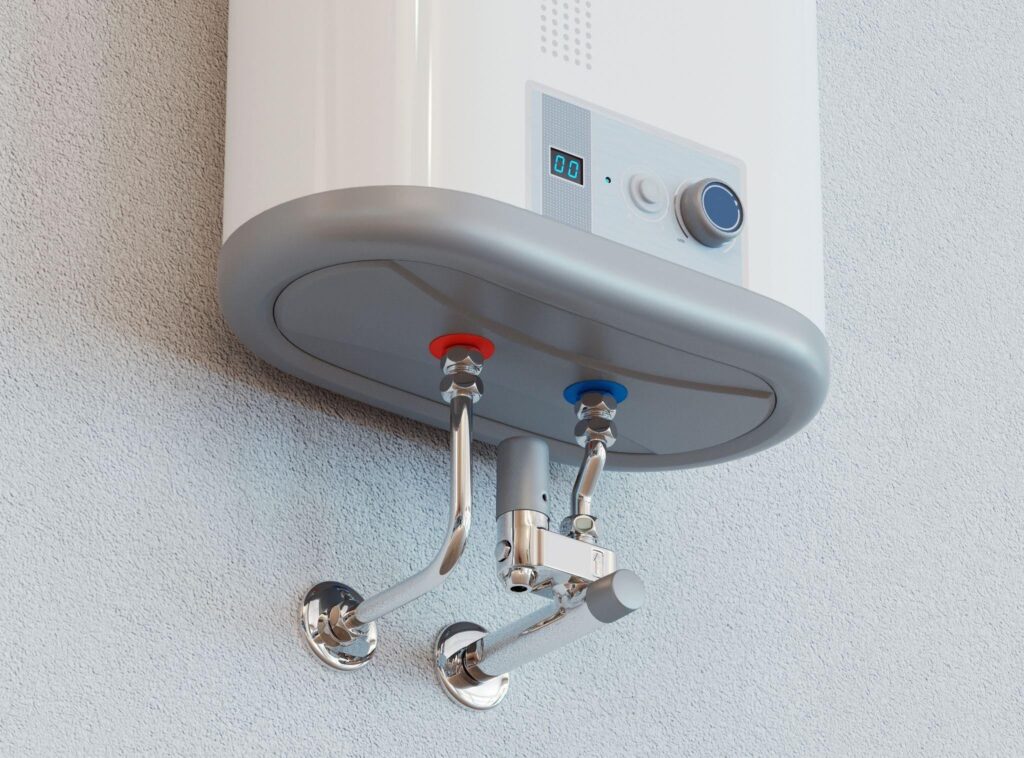
A tankless water heater installation replaces a storage tank system with a unit that heats water only when it’s needed, rather than keeping a large reservoir hot around the clock.
That on-demand design is efficient, but it also means the unit needs more from your home’s infrastructure, including higher flow rates, specific venting, and gas or electrical capacity that a standard tank heater never required. Planning for those needs upfront is what separates a one-day install from a multi-visit headache.
Step-by-step home preparation guide
Choose the installation location
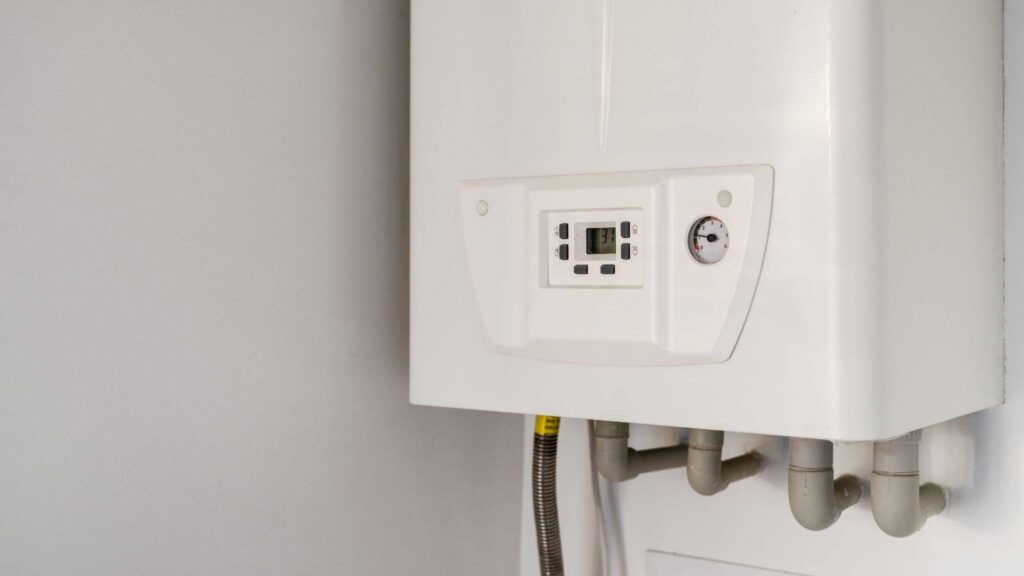
The unit needs clearance around it, plus a clear path for venting to the exterior. This often rules out spots that worked fine for a tank heater. Interior walls can work, too, but they usually mean a longer vent run to the outside, which adds cost and has length limits depending on the manufacturer.
Check your gas line
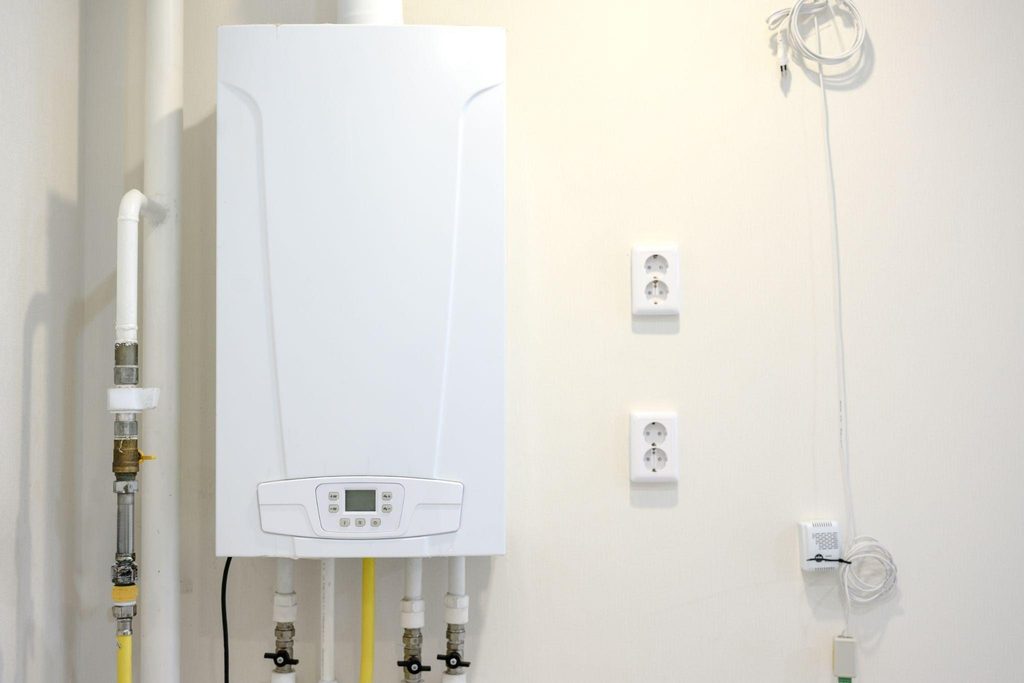
Gas tankless units draw more BTUs on demand. Most homes need a larger line than the one currently installed — often stepping up from a 1/2-inch to a 3/4-inch line — so confirm this with licensed plumbers before committing to an installation date. This single check is responsible for more mid-installation delays than almost anything else.
Confirm your electrical capacity
Electric models need adequate panel capacity. Even gas units need a dedicated circuit for ignition and controls, so don’t skip this check merely because you’re not going electric. If your panel is older or already near capacity, this is worth sorting out well before installation day.
Plan for new venting
Tankless venting materials and routing differ from those used by tank heaters. Reusing the old vent rarely works, since the materials and slope requirements are built for a completely different exhaust profile.
Clear the work area
Move stored items out of the way and ensure there’s an unobstructed path from the door to the installation site. A cluttered space is one of the easiest things to fix in advance, and it directly affects how long the crew spends on-site.
Assess your water quality
Utah’s hard water accelerates mineral scale buildup inside these units. If you haven’t tested your water recently, ask about a softener or scale inhibitor while you’re at it. This is far easier to address before installation than after the scale has already started forming.
Confirm your shut-off valves work
A valve that’s seized or hard to reach slows everything down, and replacing one mid-installation adds time your plumber probably didn’t budget for.
Check permit requirements
Many Utah municipalities require a permit for water heater replacement, particularly when gas line size or venting changes. Pulling this ahead of time, rather than scrambling once the crew is on-site, keeps the whole project on schedule.
Benefits of proper preparation
Getting ready ahead of time pays off in numerous ways.
- Fewer return trips: Installations tend to finish in a single visit instead of requiring a second visit for gas line or venting issues.
- Predictable costs: No last-minute upsizing or panel work sprung on you mid-job.
- Better performance: Correct sizing and scale prevention mean consistent hot water output.
- Longer unit lifespan: A properly prepped installation can last 15 to 20 years or more with proper care.
- Fewer code issues: Because licensed plumbers are the ones doing these checks, you’re less likely to run into permit or code problems once the work is done.
Common mistakes to avoid
- Assuming the old tank heater’s gas line or vent can be reused
- Sizing the new unit based on tank capacity instead of actual flow rate and fixture count
- Ignoring hard water and skipping a softener or scale inhibitor
- Leaving the installation area cluttered
- Choosing a location without confirming code-required clearances
- Skipping the permit check when gas line or venting changes are involved
- Expecting instant hot water before the system fully commissions
Recommended tools and checks
- Gas line diameter and pressure check (performed by your plumber)
- Electrical panel capacity review
- Water hardness test
- Tape measure for clearance verification
- A list of household fixtures and typical simultaneous usage, for accurate sizing
- Permit documentation, if your municipality requires it
FAQ
Q: How long does a tankless water heater installation take?
Most installations take one day when we confirm the gas line and electrical capacity beforehand. We also check the venting before installation begins. If the home needs a larger gas line or a new electrical circuit, the job may take two days. Tank-to-tankless conversions often need extra time.
Q: Do I need a permit for a tankless water heater installation?
Many Utah cities require a permit, especially when gas line size or venting configuration changes from what’s currently installed. Requirements vary by municipality, so check with your local building department or ask your plumber directly. They’ll typically know the local rules and can pull the permit for you.
Q: Can I install a tankless water heater myself?
Not safely, in most cases. The gas line sizing, venting configuration, and electrical work involved typically require licensed plumbers to meet code and manufacturer requirements. A botched install can void your warranty, create a safety hazard, or fail inspection outright.
Q: Does hard water affect tankless water heaters?
Yes. Hard water accelerates mineral scale buildup in the unit’s heat exchanger, reducing efficiency and potentially shortening its lifespan. A water softener or regular professional descaling keeps scale in check and protects your investment.
Q: How much bigger does my gas line need to be?
It depends on the unit’s BTU output, but many homes need to upsize from a 1/2-inch to a 3/4-inch line to supply enough gas on demand. Your plumber can calculate the exact requirement based on your specific model and household usage.
Q: Will I run out of hot water with a tankless system?
Not from volume. Tankless units heat continuously rather than drawing from a limited tank. But running too many fixtures at once can still strain an undersized unit, which is why accurate sizing during installation matters so much.
Q: What’s the difference between a gas and an electric tankless water heater?
Gas units typically deliver higher flow rates and work well for larger households, but they require proper venting and a gas line capable of supplying enough BTUs on demand.
Electric units skip the venting requirement entirely, but they require sufficient electrical capacity to handle the load, which may mean a panel upgrade in older homes. Your plumber can help determine which option best fits your home’s existing infrastructure.
How tankless water heaters work in Utah
Utah’s climate and water conditions pose two distinct challenges. In colder mountain areas, winter groundwater temperatures run lower, which affects how a unit needs to be sized for consistent output.
Meanwhile, hard water across much of Utah County accelerates scale buildup compared with areas with softer water supplies. A softener or scale inhibitor is a smart add-on for most homes in the region. Permit requirements can also shift from one city to the next, so it helps to work with a plumbing company that already knows the local rules.
Work with PPS Plumbing
A successful tankless water heater installation comes down to what happens before your plumber ever shows up. It includes confirming the gas line, electrical capacity, venting, and water quality. Get that right, and the install goes smoothly.
The other half of the equation is who does the work. PPS Plumbing’s plumbing services have helped homeowners across Springville, Spanish Fork, and Utah County prepare for and correctly complete tankless installations, from initial assessment through final commissioning.
And a tankless installation is only one piece of what we handle. From drain cleaning to water softener installation to emergency plumbing, our plumbing services cover your home from the ground up.
Contact PPS Plumbing today for a free in-home assessment. Call us at 385.469.3353, or visit our website to request a quote online.