A pipe doesn’t have to freeze for long to cause real trouble. One cold night in Utah County can split a line that was fine the day before, and the repair bill tends to arrive just as the holidays do.
The good news is that most of the damage is preventable with a few hours of work this fall. This plumbing checklist walks you through eight steps for winter plumbing prep, covers the mistakes to avoid, and explains when it makes sense to call in professional plumbing services. Keep reading to learn more.
What does fall plumbing prep involve?
Fall plumbing prep protects your home before temperatures drop. It includes draining outdoor lines, insulating pipes in cold spaces, servicing the water heater, and confirming you can shut off water fast in an emergency.
Time matters especially here since pipes can freeze after a single night in the low 20s, so the work belongs in October, not January.
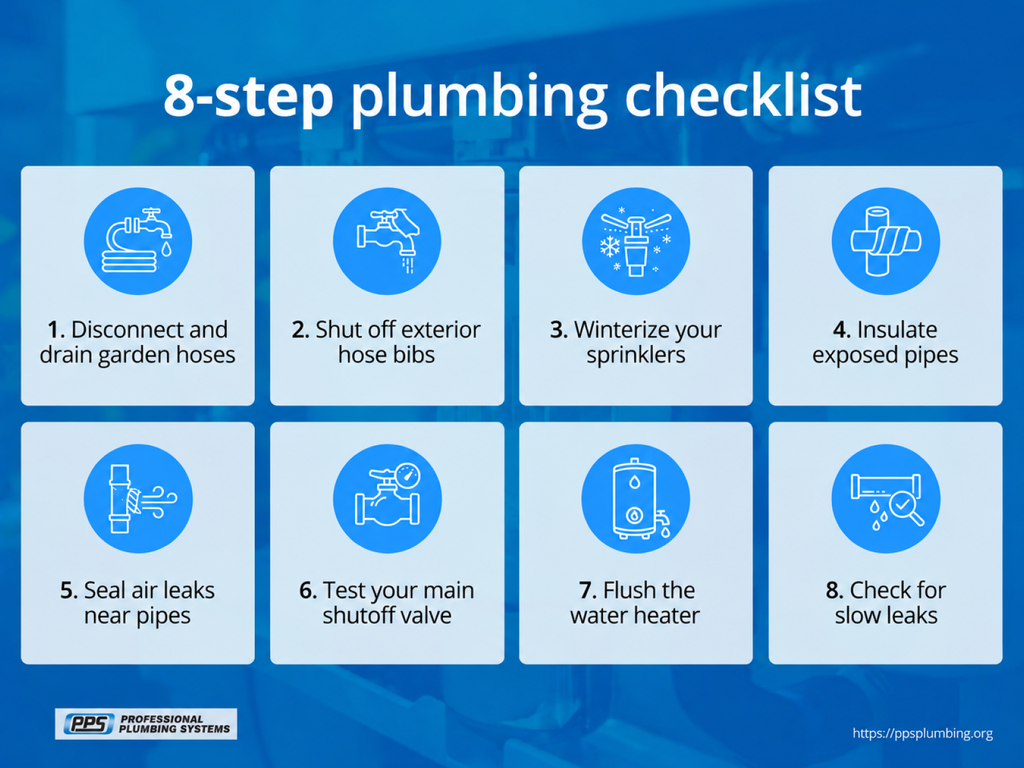
The eight-step plumbing checklist
- Disconnect and drain garden hoses
A hose left attached traps water that can freeze and back up into the pipe inside your wall, where a split often goes unnoticed until spring. Unscrew each hose, drain it completely, and store it in the garage or a shed. Left coiled outside, it could crack and hold water all winter.
- Shut off exterior hose bibs
Close the interior shutoff valve if you have one, then open the outdoor spigot to let the remaining water drain out. Leave it open until spring. If you don’t have an interior valve, add insulated covers, which help on mild nights. However, they won’t protect a spigot through a hard freeze.
- Winterize your sprinklers
Shut off the supply and have the lines blown out with compressed air, ideally by a professional plumbing service, since excessive pressure can crack fittings. The backflow preventer sits above ground and freezes easily, so make sure it gets drained too. Book early, because blowout appointments fill up fast once November arrives.
- Insulate exposed pipes
Go through crawl spaces, garages, attics, and along exterior walls, and look for any pipe you can see. Foam sleeves don’t cost much and significantly reduce heat loss. Slit them lengthwise, snap them over the pipe, and tape the seams. Start with the lines closest to the outside walls and vents, and cover the elbows and valves, too.
- Seal air leaks near pipes
Cold air entering where lines pass through walls, rim joists, or foundation gaps can freeze a pipe even in a heated home. Use caulk for small gaps and spray foam for larger ones. A candle or your hand held near a suspect spot on a windy day will often show you where air is sneaking in.
- Test your main shutoff valve
Make sure everyone in the household knows where it is, then turn it fully off and back on. Older gate valves often seize or fail to seal completely. If yours sticks, drips, or won’t close all the way, replace it now rather than discovering the problem during a burst. A plumber can swap in a quarter-turn ball valve, which is far more reliable.
- Flush the water heater
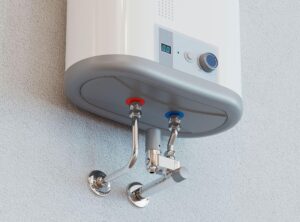
Draining sediment restores efficiency, which matters when winter demand climbs. Turn off the power or gas, let the tank cool, attach a hose to the drain valve, and flush until the water runs clear.
Check the thermostat (120°F is typical) and look for rust or moisture at the base. Tankless units need descaling instead, so follow the manufacturer’s instructions for your model.
- Check for slow leaks
Look under sinks and around toilets, and don’t forget washing machine hoses and the base of the water heater. Small drips worsen during freeze-thaw cycles.
To find a silent toilet leak, add a few drops of food coloring to the tank and wait 15 minutes without flushing. If the color shows up in the bowl, the flapper needs to be replaced. You can also check your water meter with everything off, since any movement means water is escaping somewhere.
Why winter plumbing prep matters
- Avoids emergency calls during the coldest weeks of the year
- Prevents water damage and the mold that follows
- Keeps hot water reliable when demand peaks
- Extends the life of your pipes and fixtures
- Cuts energy waste from a sediment-clogged heater
Mistakes to avoid
- Waiting for the first freeze: By then, plumbers and sprinkler crews are booked.
- Leaving a hose on a “frost-proof” spigot: The trapped water keeps it from draining.
- Turning the thermostat way down while traveling: Keep it at 55°F or higher.
- Reaching for a torch: Never use an open flame to thaw a pipe.
- Ignoring slow drains and small leaks: Freeze-thaw cycles make them worse.
Tools and supplies
- Foam pipe sleeves
- Insulated hose bib covers
- Caulk or spray foam for air gaps
- A garden hose for flushing the water heater
- Smart leak sensors for basements and crawl spaces
FAQ
Q: When should I winterize my plumbing in Utah?
Aim for October through early November, before the first hard freeze. Exposed pipes may freeze when overnight temperatures drop into the low 20s. Sprinkler blowout appointments fill up fast, so booking early avoids a burst pipe and a long wait.
Q: How do I keep pipes from freezing in winter?
Insulate pipes in unheated areas and keep your thermostat at 55°F or higher, even when you travel. During extreme cold, let faucets on exterior walls drip slowly and open cabinet doors under sinks to let warm air reach the pipes.
Q: Should I call a plumber before winter?
A pre-winter inspection makes sense if your home has older pipes, a history of freezing, visible corrosion, or a water heater near the end of its life. Professional plumbing services can also handle sprinkler blowouts and shutoff valve replacement before the cold arrives.
Q: What should I do if a pipe freezes?
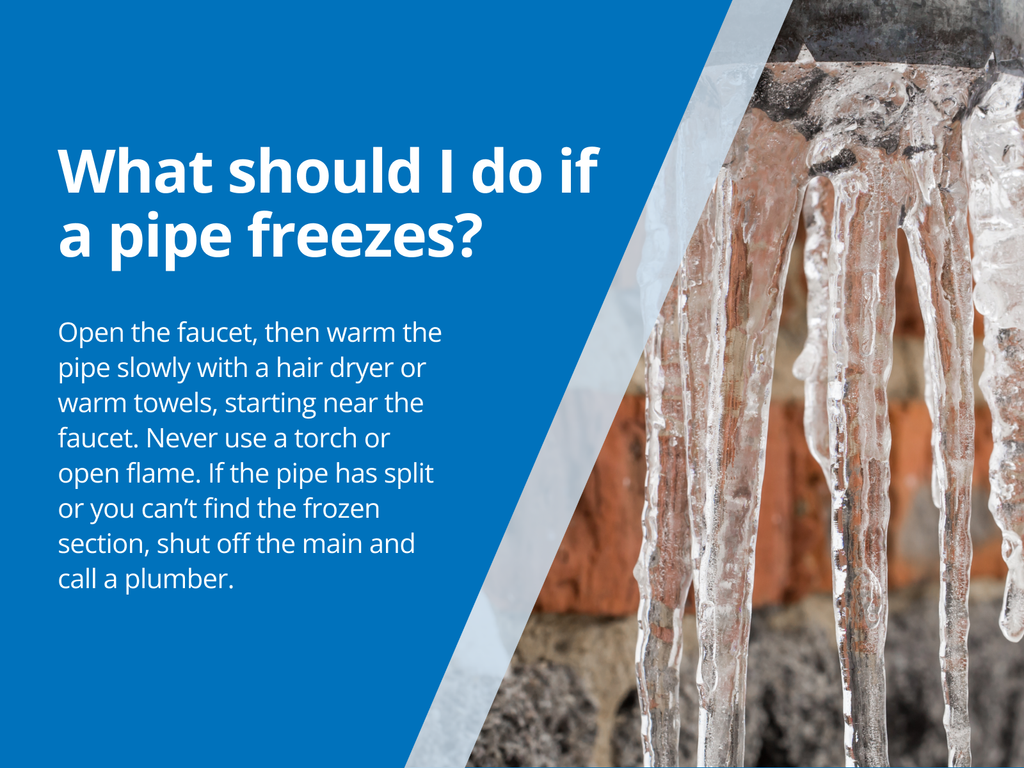
Open the faucet, then warm the pipe slowly with a hair dryer or warm towels, starting near the faucet. Never use a torch or open flame. If the pipe has split or you can’t find the frozen section, shut off the main and call a plumber.
How Utah weather affects your fall plumbing checklist
Utah County weather often swings from mild afternoons to hard overnight freezes within days, which catches plenty of homeowners off guard. Hard water adds a second local concern, because mineral buildup shortens water heater life and clogs fixtures. That makes the annual flush, along with the rest of your winter plumbing prep, especially worthwhile for homes across Springville and Spanish Fork.
Call PPS Plumbing before the first hard freeze
A little time this fall will save you from a cold-weather emergency later. Each step removes one more place where water could freeze or leak once temperatures drop.
If you hit something you’d rather not tackle yourself, such as a stuck shutoff valve or a sprinkler blowout, our team is happy to help. Contact PPS Plumbing to schedule a pre-winter visit before the first freeze.