Standing water on the basement floor is bad news any time of year. During a January cold snap, it’s worse, because every plumber’s phone is already ringing.
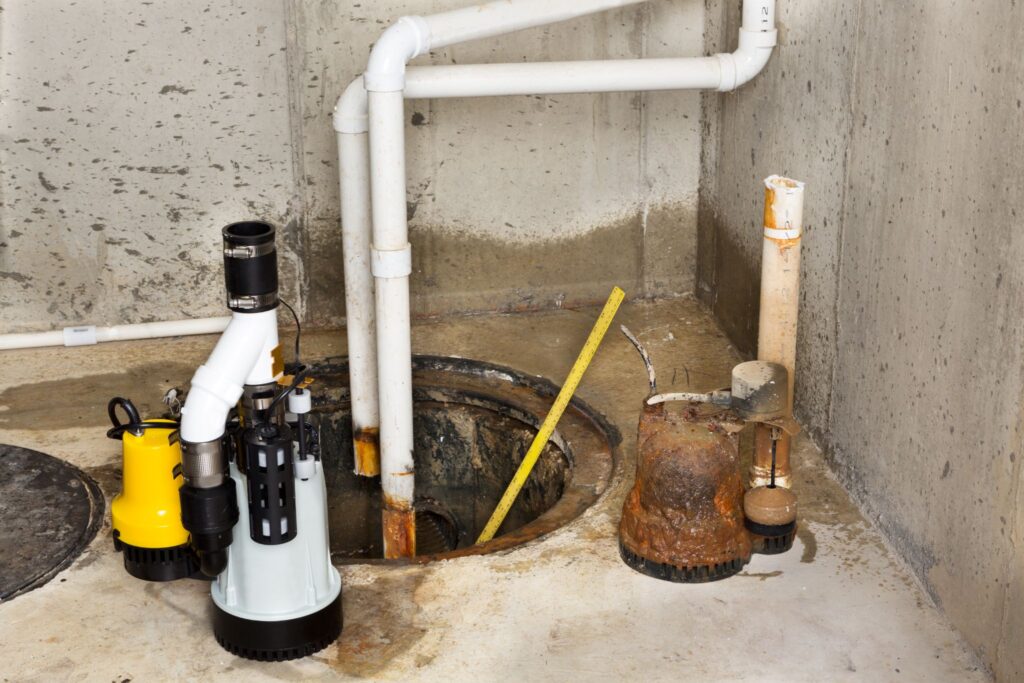
A sump pump failure lets groundwater and snowmelt rise through the pit, while a sewer backup in basement floor drains pushes wastewater up from below.
Either problem can soak drywall and carpet, and cleanup usually costs far more than prevention. Plumbing services help homeowners get ahead of both.
This guide explains why each system fails in cold weather, walks through a sump pump winter checklist, lists mistakes to avoid, and covers upgrades worth the money. You’ll also learn the early warning signs of a sewer backup and what the numbers say about basement water damage.
Keep reading to learn more.
Why sump pumps and sewer lines fail in winter
Your basement relies on two systems. The sump pump moves groundwater and snowmelt away from the foundation. The sewer line carries wastewater to the city main.
Most winter sump pump failures start outside. A frozen sump pump discharge line blocks the outlet, so the pump runs nonstop until it overheats or the pit overflows. Homeowners often call this a frozen sump pump, but the ice usually sits in the line, not the pit.
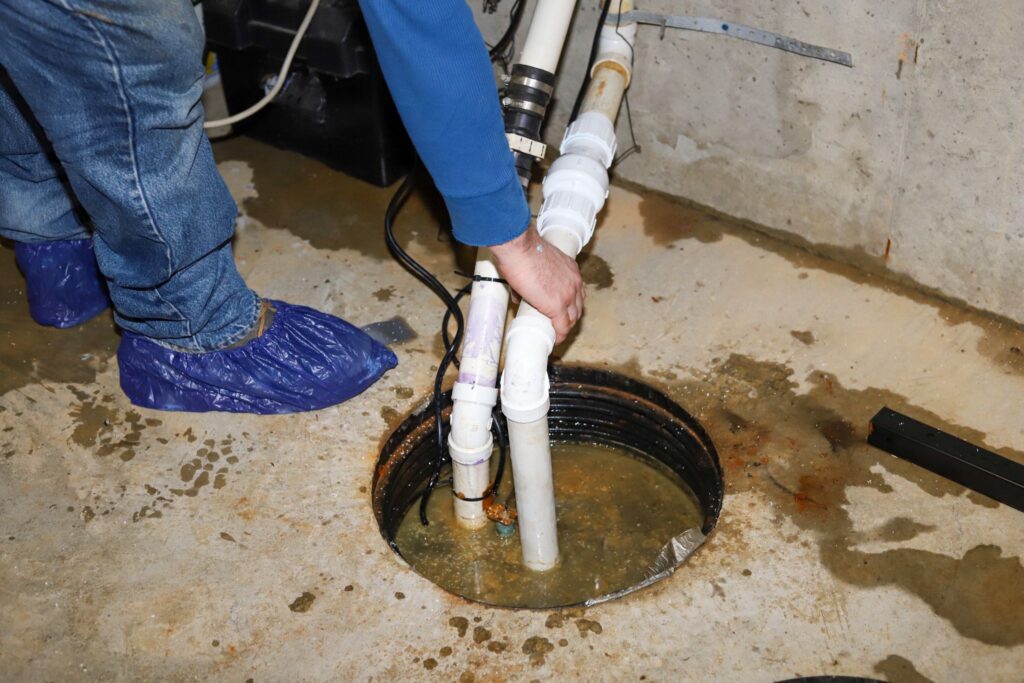
Alternatively, sometimes storms knock out power and stop any pump without a backup. Snowmelt runs over frozen ground toward the foundation, and aging pumps develop worn bearings and stuck float switches. On the sewer side, grease, wipes, and tree roots narrow the pipe, causing wastewater to back up through the lowest drain.
A pre-winter sump pump and sewer line checklist
Work through this sump pump winter routine in November, before the ground freezes hard.
- Pour a bucket of water into the pit and confirm the pump starts and stops on its own.
- Clear debris and sediment from the pit and inlet screen.
- Walk the discharge line outside. Confirm it slopes away from the house and the outlet is clear of snow and ice.
- Remove any flexible hose extension for winter or replace it with rigid pipe.
- Test any battery backup by unplugging the main pump, repeating the bucket test, and plugging the main pump back in.
- Run water into every floor drain and listen for gurgling or slow draining.
- Schedule a sewer line camera inspection if any drain is slow or gurgles.
A frozen sump pump discharge line usually starts with water sitting in a sag, low spot, or hose extension. See the NDSU Extension sump pump guide for testing details.
If floor drains gurgle or back up during testing, call a qualified drain repair services team.
What a winter sewer backup in basement drains looks like
Frozen discharge line
A cold snap freezes the discharge line overnight. The pump keeps running against the ice, the pit fills faster than it empties, and water soaks the carpet in a finished basement by morning.
Holiday sewer backup
A weekend of extra guests, extra dishes, and grease down the kitchen sink pushes a weak sewer line past its limit. By Monday, a sewer backup in basement floor drains leaves dark, foul-smelling water around the drain.
Groundwater from the pit is usually clear, has little odor, and rises from the pit or seeps along walls. Sewage is gray or brown, smells strongly, and comes up through floor drains. Treat it as contaminated.
Benefits of winter plumbing prevention
Steady sewer backup prevention and sump pump care pay off in several ways:
- Protects finished basements, flooring, drywall, and stored belongings
- Avoids emergency call-outs during the coldest, busiest weeks
- Extends pump life
- Catches sewer line damage while it’s still a repair
- Reduces health risks from contact with sewage
- Creates dated maintenance records to support an insurance claim
Common mistakes that lead to sump pump failure
- Unplugging the pump for winter. Groundwater and snowmelt keep moving all season.
- Leaving a flexible hose extension attached. Trapped water turns it into a frozen sump pump discharge line.
- Pouring automotive antifreeze into the pit. It gets diluted, then the pump sends it into your yard.
- Ignoring a pump that cycles constantly. That often signals a frozen sump pump line or a failing float switch.
- Flushing wipes or pouring grease down drains. Both undercut every other step for preventing sewer backups.
- Skipping battery backup tests. Find problems before the power goes out.
- Assuming your policy covers backups. Standard policies generally exclude them unless you add sewer backup insurance.
Basement water damage by the numbers
- The Insurance Information Institute (III) reports an average water damage and freezing claim of $15,400 for 2019-2023.
- About 1 in 67 insured homes experiences a water damage or freezing claim each year, based on Insurance Information Institute data cited by This Old House.
- NerdWallet explains that standard homeowners policies generally exclude sewer backup and sump pump overflow unless you add water backup coverage.
- FEMA recommends check valves and a battery-backed sump pump as winter preparation steps.
Upgrades and tools for sewer backup prevention
These upgrades strengthen sewer backup prevention and freeze protection:
- Battery- or water-powered backup pump for storm outages
- Sump pit alarm that warns you before the pit overflows
- Insulated or buried discharge line with a freeze-resistant outlet to stop a frozen sump pump discharge line
- Backwater valve installed by a licensed plumber to stop sewage from flowing back inside
- Annual sewer camera inspection, plus hydro jetting when needed
- Water backup rider on your policy; ask your agent about sewer backup insurance
FAQ
How do I know if my sump pump is working?
Pour a bucket of water into the pit. The float should rise, the pump should start, and it should shut off once the water drops. Watch the discharge line outside for flow. Grinding noises, constant cycling, or no start mean the pump needs service.
Can a sump pump freeze in winter?
The pump in the pit usually stays above freezing, but the discharge line outside is more exposed to the elements. A frozen sump pump discharge line blocks the outlet, causing the pump to run nonstop and the pit to overflow. Remove hose extensions, keep the outlet clear, and consider insulating or burying the line.
What causes a sewer backup in the basement?
Most backups start with a clogged or damaged sewer line. Grease, wipes, and tree roots narrow the pipe until wastewater backs up through the lowest drain, often a basement floor drain. Heavy holiday use, aging pipes, and city main overloads raise the risk of a sewer backup in basement drains.
Does homeowners insurance cover sewer backups?
Usually not by default. According to NerdWallet, standard homeowners policies generally exclude sewer backup and sump pump overflow unless you add water backup coverage. Sewer backup insurance is typically added as a policy endorsement. Coverage depends on your policy, so review it with your agent before winter.
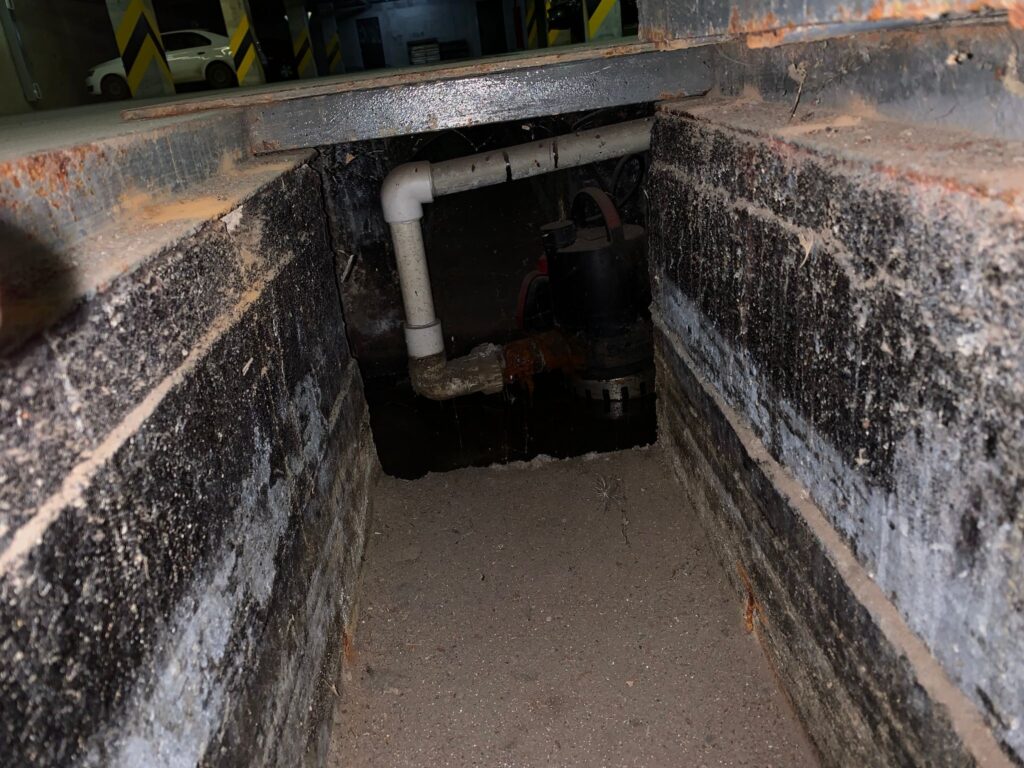
Preparing Utah County basements for winter
Professional Plumbing Systems serves homeowners across Utah County, including Spanish Fork, Provo, Orem, Lehi, Springville, and Payson. Cold snaps freeze exposed discharge lines, and snowmelt on frozen ground runs toward foundations.
Older basements and holiday drain use raise the risk of a sewer backup in basement drains. A November sump pump winter check, plus basic sewer backup prevention, keeps a frozen sump pump from becoming a January emergency. A local Utah County plumber knows these homes and conditions.
Get ahead of winter basement flooding with PPS Plumbing
Winter basement flooding usually starts with a frozen discharge line or a pump that loses power during an outage, and a clogged sewer line can cause it, too. Test the pump and clear the discharge line. While you’re in the basement, check the floor drains. For extra protection, consider a battery backup and a backwater valve.
A little work now helps prevent a sump pump failure in January. Contact PPS Plumbing to schedule a pre-winter drain check or get emergency help.